
Production Notes
Short, practical articles on running orders, cue sheets, rehearsals and handovers, written by the instructors and published about once a day.
Each note takes one small planning problem and works through it, from trimming a segment to wording a cue. Browse the list below and open whichever matches what you are planning this week.
-
 · Handovers
How to Write a Production Handover That Any Team Can Run
A step-by-step guide to building production notes and a handover document so a colleague who was never in the room can run your live programme from the page alone.
Read more → -
 · Rehearsals
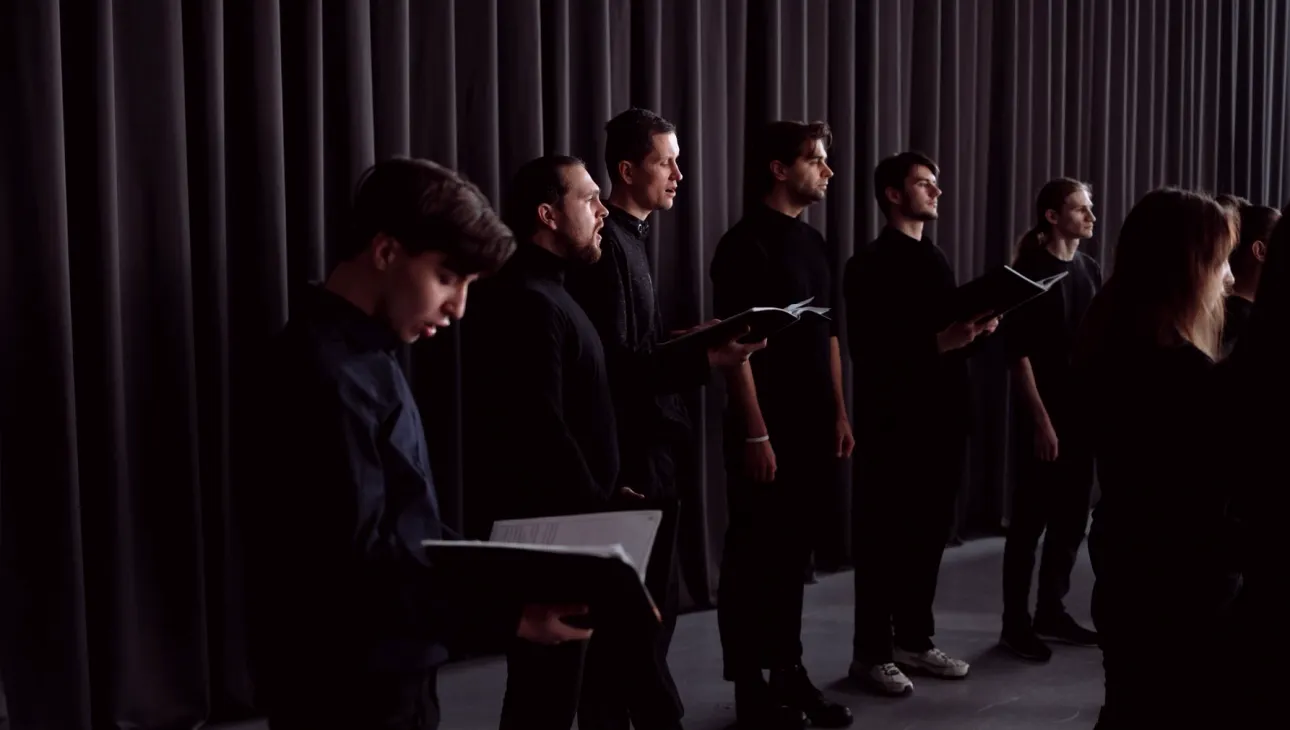
A Checklist for Rehearsal Schedules Before You Commit
Before locking in rehearsal blocks, tech checks and walkthroughs, run through these questions on venue access, speaker availability and the order of work, so the plan holds up.
Read more → -
 · Timing Mistakes
Six Timing Mistakes That Throw a Live Programme Off Course
Elena Brooks walks through the segment timing and pacing errors she sees most often in learners' rundowns, and the small habits that keep a live programme close to its planned length.
Read more → -
 · Streamed Events
What Streamed Discussion Planning Costs and What Moves the Price
A plain look at what drives the cost of preparing a streamed panel: guest numbers, remote contributors, rehearsal time and the handover documents the team needs on the day.
Read more → -
 · Cue Sheets
A Cue Sheet That Finally Worked: Tessa's First Panel Night
Tessa came to the course with a cue sheet nobody could read under stage lights. This is how she rebuilt it, what changed for the camera and sound crew, and what she kept.
Read more → -
 · Running Orders
Building Your Autumn Running Order Before the Busy Season
Autumn conferences and streamed panels fill calendars fast. Here is how to turn a rough agenda into a running order with start times, owners and fallbacks before the pace picks up.
Read more → -
 · Trade Terms
What a Handover Actually Means in Live Production
A plain-words look at the term handover in production work: what the document holds, who reads it, and why a programme should run from the page alone.
Read more → -
 · Rehearsals
One Long Rehearsal Day or Several Short Blocks: Which Works Better
Marcus compares a single full-day rehearsal with several shorter blocks spread across the week, weighing venue access, speaker availability and fatigue, and recommends a split plan for most
Read more → -
 · Timing
Building Buffers: How a Run Time Is Actually Worked Out
A behind-the-scenes look at how timings for each segment are tested, padded and trimmed before a live programme, and how we decide where the spare minutes should sit.
Read more → -
 · Streamed Events
How Do You Prepare a Remote Guest for a Streamed Panel?
The question we hear most: what does a remote guest actually need before going live? Marcus Reynolds answers it with a plain prep sequence, from first message to the handover cue.
Read more → -
 · Course news
How We Teach Cue Sheets That Presenters Can Read at a Glance
A look at the cue sheet module in the curriculum: what learners write, how the exercises are built, and why legibility under pressure is the skill the sessions train.
Read more → -
 · Running Orders
The Paper, Clock and Colour Tools Behind a Reliable Running Order
A look at the plain materials and methods we use to turn a rough agenda into a running order: the grid, the clock column, owner initials and a fallback line for every segment.
Read more → -
 · Handovers
A Checklist for Judging a Production Handover Before You Sign Off
Before a programme passes to another team, run through these questions on your production notes and handover document. Each one shows whether someone else could run the show from the page alone.
Read more → -
 · Rehearsals
Rehearsal Schedules: Common Mistakes and How to Avoid Them
Most rehearsal plans fail on small things: unchecked venue access, speakers booked at the wrong hour, tech checks squeezed to nothing. Here is what goes wrong and how to plan around it.
Read more → -
 · Course Costs
What Segment Timing Training Costs and What Moves the Price
A plain look at what goes into the cost of learning segment timing and pacing: practice material, review time, programme length and how much feedback you want on your own rundowns.
Read more → -
 · Customer Case
Preparing a Remote Panel: How Priya Rebuilt Her Streamed Discussion
A short case from the course: Priya, a junior producer, planned her first streamed panel with remote guests, and the handover points she added changed how the evening ran.
Read more → -
 · Cue Sheets
Cue Sheets for the Darker Months: Getting Ready for Autumn Shows
Autumn brings more streamed panels and year-end business events. Here is how to prepare cue sheets that presenters and technicians can read at a glance, in dim rooms and under pressure.
Read more → -
 · Trade Terms
What a Hard Start and a Soft Start Mean in a Running Order
A plain-words explanation of fixed and floating start times, how they sit in a running order, and why marking each segment correctly saves a team from guessing mid-show.
Read more → -
 · Production Handovers
Binder or Shared Document: Choosing How to Hand Over a Live Programme
Two common ways to pass a programme to the next team are a printed binder and a shared online document. Elena compares them and says which one she recommends for most shows.
Read more → -
 · Rehearsals
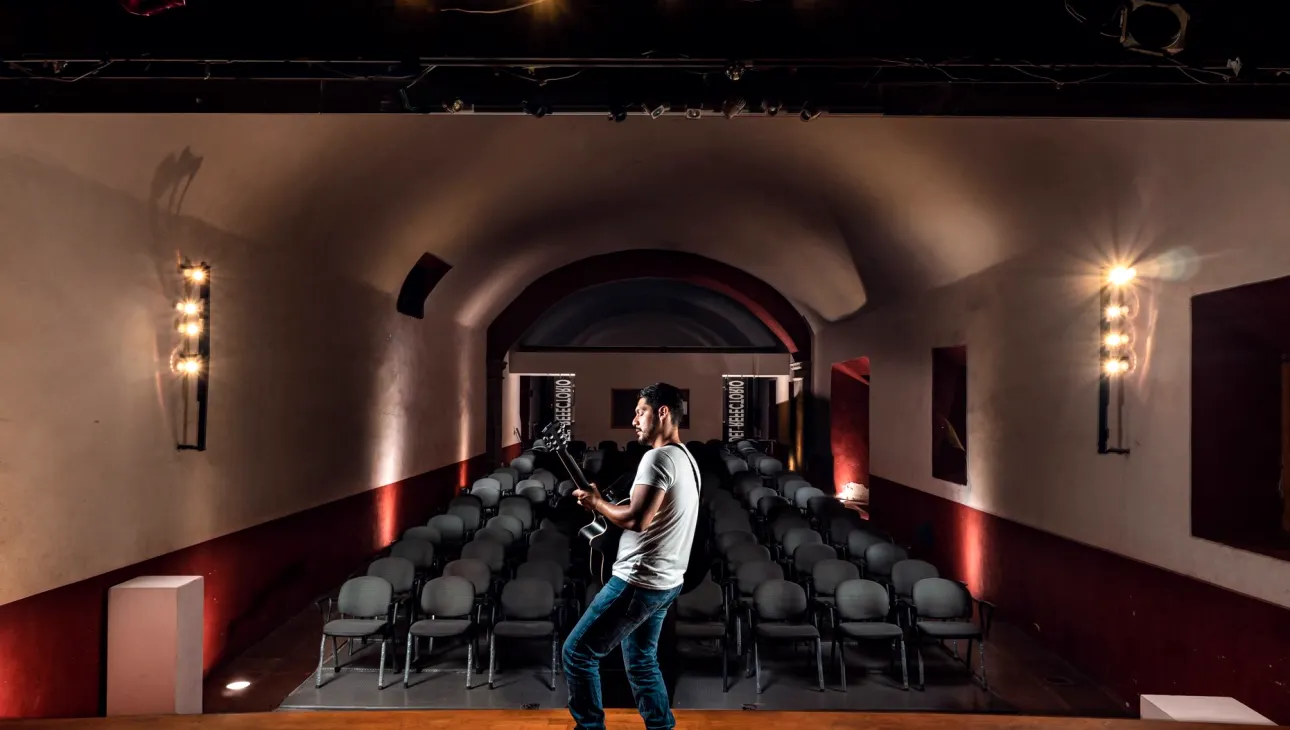
How a Rehearsal Schedule Gets Built Around a Venue and Its Speakers
A behind-the-scenes look at how rehearsal blocks, tech checks and walkthroughs are fitted into real venue hours and speaker diaries, step by step, with the choices made along the way.
Read more → -
 · Segment Timing
What Do You Do When a Live Programme Runs Long?
The question we hear most from learners is how to recover when a segment overruns. These answers cover buffers, trimming order and the calm decisions that keep a programme on track.
Read more → -
 · Course news
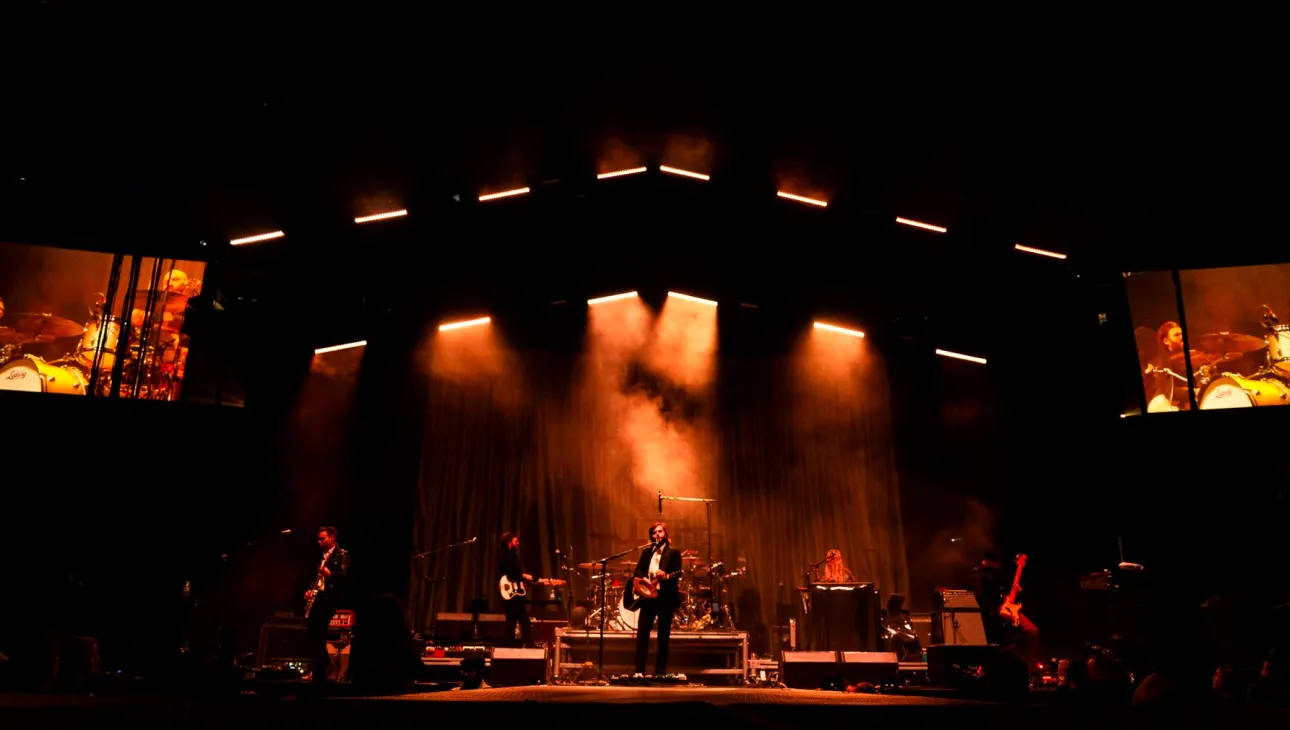
Streamed Discussion Planning Now Opens With a Moderator Brief
Daniel Whitfield explains how the Streamed Discussion Planning module now begins with a one-page moderator brief, so guests and remote contributors know their handover points before rehearsal.
Read more → -
 · Cue sheets
The Tools Behind a Cue Sheet Presenters Can Read at a Glance
The paper, layout choices and small habits we rely on when writing cue sheets, from column order to colour use, so a show can be called from the page.
Read more → -
 · Running Orders
From Draft Agenda to Running Order: A Step-by-Step Walkthrough
A practical walkthrough of turning a loose agenda into a running order with start times, named owners and fallback options, using a streamed discussion as the worked case.
Read more → -
 · Handovers
Handover Notes That Fail: Common Mistakes and How to Avoid Them
Most handover documents break down in the same few places. Elena Brooks walks through the usual mistakes in production notes and shows how to fix each one before the programme goes live.
Read more →
